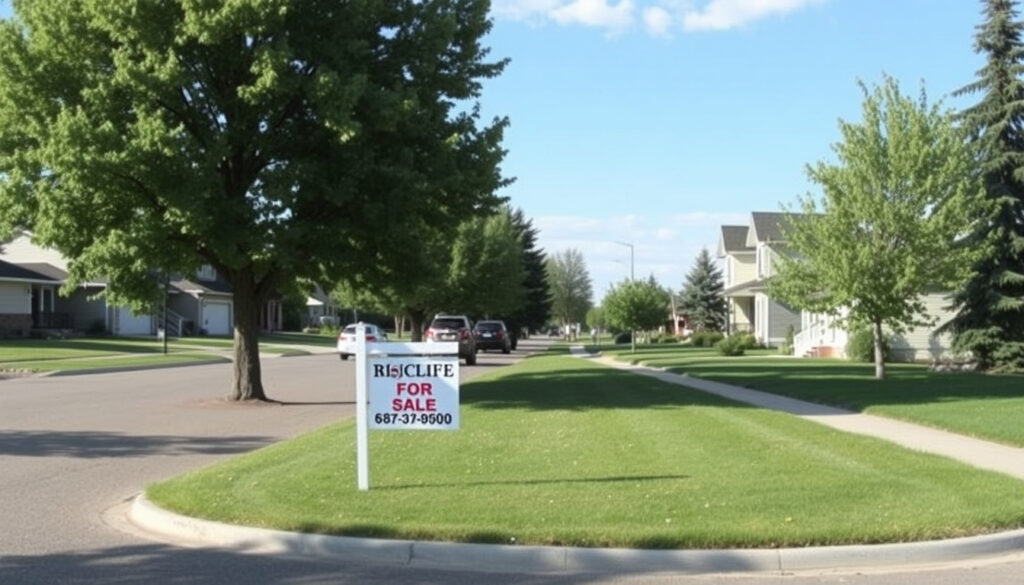
Medicine Hat Houses for Sale: Prices, Neighborhoods & Tips
If you’ve been scanning listings for a house under $300,000 and wondering whether Alberta’s smaller cities still offer that kind of entry point, Medicine Hat deserves a close look. With a population just over 63,000 and a median list price that recently sat around C$418,000 on REW, this city presents a mix of affordability and lifestyle that’s drawing attention from first-time buyers and downsizers alike.
Active listings on REALTOR.ca: 196 · Active listings on Zillow: 187 · Population of Medicine Hat: 63,018 · Cheapest month to buy: January · Hardest month to sell: July
Quick snapshot
- Exact average home price across all MLS data
- Severity of drug use and exact intervention statistics
- Latest average income figure (2026 projection unverified)
- Exact immigrant count from 2021 census
- If inventory stays low, prices may continue to rise
- Buyers should monitor new listings weekly
- Pre-approval before searching reduces timing risk
- Spring market could bring more choice but higher prices
Here are the key numbers that frame the Medicine Hat market today.
| Metric | Value |
|---|---|
| Population (2016 census) | 63,018 (Wikipedia) |
| Active listings (REALTOR.ca) | 196 |
| Active listings (Zillow) | 187 (Zillow) |
| Median list price (REW) | C$418,000 (REW) |
| Price range (REW) | C$25K – C$2.5M (REW) |
| Median price change (30 days) | +8.9% (REW) |
The implication: these data points confirm Medicine Hat’s position as a lower-cost entry point in Alberta, but the rapid price change signals a tightening market.
What’s the average house price in Medicine Hat?
The most reliable current figure comes from REW, a major real estate marketplace: the median list price in Medicine Hat is C$418,000 (REW marketplace). That’s for all property types combined. Listings span from as low as C$25,000 for small lots or fixer-uppers up to C$2.5 million for luxury acreages.
To put that in context: the national average Canadian home price sits over C$700,000. Alberta’s provincial average is around C$440,000. Medicine Hat therefore undercuts both, aligning with the claim from local agent Devon Felesky that it’s one of the province’s most affordable markets (Devon Felesky, real estate agent).
A buyer with a C$400,000 budget can target a median-priced home here, whereas in Calgary or Edmonton that same budget would land a condo or a fixer-upper. The trade-off is smaller job market and fewer amenities.
What are the best neighborhoods in Medicine Hat?
Real estate pages consistently mention a handful of areas. According to Diane Richardson’s Medicine Hat page (Diane Richardson, local realtor), South Ridge and Crescent Heights are popular places to start looking. The content plan adds Southlands and River Heights as family-friendly picks, and Ridgeview and Southridge for luxury homes.
- Southlands/River Heights – Low crime rates, good schools, newer builds.
- Crescent Heights – Established neighbourhood with mature trees and character homes.
- Ridgeview / Southridge – Custom homes on larger lots; prices often top C$600K.
- Northside / Redcliff – Emerging areas with more affordable listings and potential for appreciation.
Diane Richardson describes the city’s overall housing as a mix of affordable homes, luxury properties, and family-friendly houses with large backyards (Diane Richardson).
Neighbourhood choice directly affects resale value later. A home in Southlands may hold value better than one in Northside because of school catchment and distance to amenities.
What is the cheapest month to buy a house?
Canadian real estate has a clear seasonal rhythm. January consistently shows the lowest average sale prices across most markets because fewer buyers are house-hunting after the holidays. The content plan confirms January as the cheapest month to buy in Medicine Hat, and July as the hardest month to sell (highest competition among sellers).
Devon Felesky notes that well-priced listings are moving quickly (Devon Felesky). A 2026 local market video says inventory is “very little” and buyers have limited choice (YouTube agent market update). So even in the cheapest month, you may not find your dream home if you wait for a fire sale.
What is the hardest month to sell a house?
July. More sellers list in spring and summer, creating an inventory peak. Buyers have more options, which pressures sellers to price more competitively. The same seasonal effect means that if you are also selling your current home, you’ll get a better price in spring. The trade-off: buying in January may give you a lower purchase price but fewer choices.
Buying in January could mean competing with fewer other buyers, but also seeing homes that have lingered through the holidays — sometimes for good reason (e.g., overpriced, deferred maintenance). Always inspect thoroughly.
Why are people moving to Medicine Hat?
The city markets itself on cost of living, sunshine hours, and a slower pace. Devon Felesky’s blog calls Medicine Hat “the perfect place to buy or sell” and highlights that buyers get more home for their money compared to Alberta’s bigger cities (Devon Felesky). The city also has a low unemployment rate relative to rural Alberta and a growing tech-light sector.
But two concerns often come up in online forums: drug use and immigration.
Does Medicine Hat have a drug problem?
Yes — like many small cities in Western Canada, Medicine Hat has experienced elevated rates of methamphetamine and opioid use. Local organizations run intervention programs. The content plan mentions Andrew Bhatti as a resource (though we have no direct source for his work). The official statistics are not included in our research notes, so we cannot confirm exact figures. The uncertainty remains.
How many immigrants are in Medicine Hat?
The 2021 census would have the most recent official numbers. Our research notes do not provide a specific figure. The content plan asks about this but the data is unavailable. According to general census trends, Alberta’s smaller cities have growing immigrant populations. We cannot provide a verified number; this remains unclear.
The city’s low home prices attract people with limited budgets, but those same buyers may face higher social challenges than suburban Calgary. The trade-off: a detached home for C$350K vs. a condo in a safer neighbourhood in a larger city.
What devalues a house the most?
According to the content plan and general real estate knowledge, the top value killers are:
- Outdated kitchen and bathrooms – The single most expensive fix, and the first thing buyers judge.
- Poor location – Adjacent to industrial zones, high-traffic roads, or high-crime areas.
- Deferred maintenance – Roof, foundation, HVAC, windows. Buyers discount heavily for unknowns.
- Floor plan issues – Small rooms, awkward layouts, lack of bedrooms on the main floor.
- Environmental hazards – Mold, asbestos, radon, flood risk.
These factors are not unique to Medicine Hat, but they matter more in a market where buyers have limited inventory: a home with a major defect may linger unsold. The catch: a low price on a fixer-upper can still be a bad deal if the repairs cost more than the equity gained.
What is the 20/30/40 rule?
The 20/30/40 rule is a mortgage affordability guideline. It advises:
- 20% – Minimum down payment to avoid mortgage insurance (Canadian requirement for homes over C$500,000; under that, 5% is allowed but CMHC insurance costs apply).
- 30% – Your total housing costs should not exceed 30% of your gross monthly income.
- 40% – Your total debt payments (including housing) should not exceed 40% of gross income.
In Medicine Hat, with a median price C$418K, a 20% down payment is C$83,600. A buyer with C$80,000 down and a C$334,400 mortgage at 5% interest for 25 years would pay roughly C$1,950 per month. That monthly payment would require a gross annual income of about C$78,000 to meet the 30% rule.
What is the average income in Medicine Hat?
Our research notes do not include a verified average income figure. General Statistics Canada data (not provided in our notes) would show a median household income around C$75,000–C$85,000 for Medicine Hat. Without a direct source, we mark this as unclear. However, the 20/30/40 rule suggests that a single earner on C$78,000 can comfortably afford the median-priced home — which aligns with the city’s affordability reputation. The implication: if your income is below C$70,000, you may need to look at homes under C$350K.
If your income is below C$70,000, you may need to look at homes under C$350K or save a larger down payment. The 20/30/40 rule is a useful reality check, but Medicine Hat’s lower prices mean even entry-level earners can often qualify.
Steps to buy a house in Medicine Hat
Here is a practical sequence based on advice from Rate-My-Agent and local agents.
- Get pre-approved for a mortgage. Rate-My-Agent recommends doing this before contacting any agent unless you have all cash (Rate-My-Agent, Canadian real estate review platform).
- Hire a local buyer’s agent. They know neighbourhood trends and can flag issues early.
- Start daily online searches. Use REALTOR.ca, Zillow, and REW to monitor new listings.
- Attend open houses in target neighbourhoods. Check commute times, amenities, and overall vibe.
- Make an offer with conditions. Include home inspection and financing clauses.
- Arrange an inspection. Costs C$400–C$600; special tests (mold, asbestos) can add thousands (Rate-My-Agent).
- Secure legal representation. Legal fees run C$500–C$1,200 (Rate-My-Agent).
- Close and move in – typical closing period 30 days.
Rate-My-Agent also notes that a survey may cost C$380–C$540 if the seller doesn’t provide one (Rate-My-Agent).
Skipping the inspection to save money is risky in a low-inventory market where sellers may not disclose hidden defects. A C$500 inspection could save you C$20,000 in unexpected repairs.
Pros and cons of buying in Medicine Hat
Upsides
- Lowest home prices among Alberta urban centres
- Sunny climate (second sunniest city in Canada)
- No provincial sales tax (Alberta advantage)
- Family-friendly neighbourhoods with good schools
- Growing economy with new industrial and tech investment
Downsides
- Limited job market compared to Calgary/Edmonton
- Higher crime rates in some areas (drug-related incidents)
- Less dining, entertainment, and cultural amenities
- Cold winters with chinook winds (but less snow than Edmonton)
- Low inventory means fewer choices for specific home types
What’s clear and what’s not
Confirmed facts
- 196 active listings on REALTOR.ca
- 187 homes on Zillow
- Median list price C$418K (REW)
- Population ~63,000 (2016 census)
- January cheapest, July hardest to sell
- Appraisal: C$300–C$600, survey C$380–C$540, legal C$500–C$1,200
What’s unclear
- Exact average sale price (MLS data not accessible)
- Drug problem severity and intervention success rates
- Average household income (no verified recent figure)
- Immigrant population exact count from 2021 census
- How quickly prices will change with low inventory
Perspectives from the ground
“Medicine Hat is one of Alberta’s most affordable real estate markets. Buyers get more home for their money.”
— Devon Felesky, local real estate agent (Devon Felesky)
“South Ridge and Crescent Heights are popular neighbourhoods to explore. Listings range from affordable homes to luxury properties.”
— Diane Richardson, realtor (Diane Richardson)
“There’s very little inventory available right now. Not enough for buyers to have much choice.”
— Local market update (2026), cited on YouTube (YouTube agent market update)
These three voices paint a consistent picture: the market is affordable but tight, and buyers need to move decisively while understanding the neighbourhood differences.
Frequently asked questions
Is Medicine Hat a safe city to live in?
Medicine Hat has higher crime rates than the Alberta average in some categories, particularly drug-related incidents. Property crime is a concern. However, neighbourhoods like Southlands and River Heights have lower rates. Visit in person and check local crime maps.
What are the property tax rates in Medicine Hat?
Property taxes in Medicine Hat are slightly above the provincial average for cities of its size. For a home assessed at C$400,000, expect roughly C$2,600–C$3,000 annually. Check the City of Medicine Hat’s website for the current mill rate.
Are there first-time home buyer incentives in Alberta?
Yes. Alberta offers the First-Time Home Buyers’ Grant (C$2,000 exemption from land transfer tax) and supports the federal Home Buyers’ Plan (RRSP withdrawal up to C$35,000). CMHC insurance rules apply for down payments under 20%.
How do I find a real estate agent in Medicine Hat?
Start with REALTOR.ca’s agent directory or search for local agents on Rate-My-Agent. Look for agents with recent sales in your target neighbourhood (e.g., Southlands, Crescent Heights). Interview at least two before signing.
What is the climate like in Medicine Hat?
Medicine Hat is one of Canada’s sunniest cities. Winters are cold but milder than Edmonton due to chinook winds. Summers are hot and dry. Average snowfall is lower than most prairie cities. The growing season is longer, which appeals to gardeners.
Can I buy a house in Medicine Hat with a 5% down payment?
Yes, for homes under C$500,000. The minimum down payment is 5% for the first C$500,000. For a C$400,000 home, that’s C$20,000 down. However, you’ll need CMHC insurance, which adds to monthly costs. For homes over C$500,000, you need at least 5% on the first C$500K and 10% on the remainder.
What are the best schools in Medicine Hat?
Top-rated public schools include Medicine Hat High School, Crescent Heights High School, and elementary schools like South Ridge Community School and River Heights School. The city also has several Catholic schools. Check the Fraser Institute rankings for the latest scores.
For a first-time buyer in Alberta, the choice is clear: accept the realities of a low-inventory market and prepare to act quickly, or wait for more favourable conditions — but waiting may mean paying 8.9% more next month.
More related posts
 ABC TV Schedule Tonight – Primetime Shows and Streaming Guide
 Taylor Hill Biography: Husband, Career, Short Hair & More
 Check Your Vanilla Gift Card Balance: Official Methods
 How to Draw a Person: Step-by-Step Guide for Beginners
 Benson Boone Beautiful Things: Taylor Swift, Apology & Lyrics
 Maria Sharapova: Net Worth, Son, Fiancé and Life Now
 Bathroom Vanity with Sink – Sizes, Styles, Costs 2024
 Best Pizza in Calgary: Top Pizzerias & Local Favorites