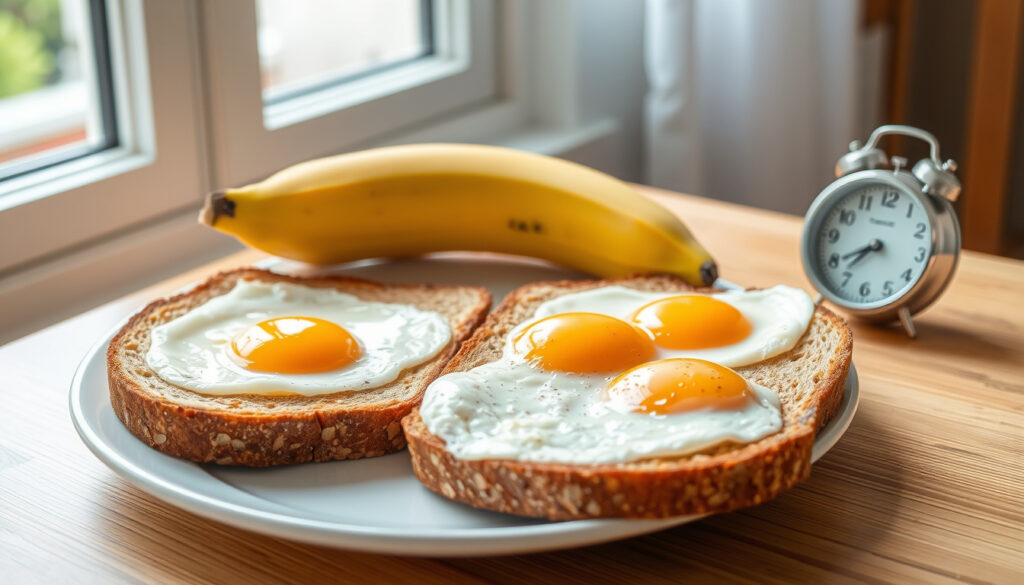
What to Eat Before a Workout: Best Pre-Workout Foods & Timing
Anyone who has ever tried to train on an empty stomach or, worse, after a heavy lunch knows how much pre-workout food matters. Getting the right fuel at the right time can make the difference between a powerful session and a sluggish one. This guide lays out evidence-based advice on what to eat before a workout, when to eat, and how to tailor your choices for weight loss, muscle gain, or endurance performance.
Optimal pre-workout meal timing: 2-3 hours before exercise · Carbohydrate recommendation: 1-4 g per kg of body weight · Protein recommendation: 0.15-0.25 g per kg of body weight · Approximate calorie per medium banana: 105 calories · Fat digestion delay: High-fat meals can delay gastric emptying by 1-2 hours
Quick snapshot
- Eating 2-3 hours before exercise improves performance (NASM (fitness education body))
- Carbohydrate-rich meals enhance endurance (Healthline (health media))
- High-fat meals delay gastric emptying by 1-2 hours (Healthline (health media))
- Optimal protein timing relative to workout (pre vs post) (Nordic Performance Training (specialist coaching))
- Effect of caffeine timing on performance (Healthline (health media))
- Full meal 3-4 hours before training (NXT Level Fitness (training blog))
- Light meal 1.5-2 hours before training (Healthline (health media))
- Small snack 30-60 minutes before training (For Hers (women’s health platform))
- Tailor macronutrient ratios to workout type and goals (Nordic Performance Training (specialist coaching))
- Combine pre-workout nutrition with proper hydration (American Diabetes Association (medical authority))
A quick-reference table summarizes the core numbers you need to plan your pre-workout meal.
| Fact | Value |
|---|---|
| Recommended carbohydrate intake pre-workout | 1-4 g per kg body weight |
| Ideal protein amount before training | 0.15-0.25 g per kg body weight |
| Time needed for full meal digestion | 3-4 hours |
| Average calorie of a banana | 105 calories |
The implication: these numbers give you a starting point, but individual tolerance and workout intensity will shift the exact amounts.
What should you eat before a workout?
Complex carbohydrates for steady energy
- Whole grains, oats, brown rice, and sweet potatoes provide a slow release of glucose that sustains energy throughout a session (Healthline (health media)).
- The American College of Sports Medicine recommends 1-4 g of carbohydrate per kg of body weight in the 1-4 hours before exercise, depending on intensity (NASM (fitness education body)).
Lean protein for muscle repair
- Including 20-30 grams of lean protein (chicken, tofu, Greek yogurt) before a workout supports muscle protein synthesis and reduces muscle breakdown during training (Nordic Performance Training (specialist coaching)).
- A typical target is 0.25-0.5 g of protein per kg of body weight 1-3 hours before training (Nordic Performance Training (specialist coaching)).
Low-fat, moderate-fiber choices
- Fat slows digestion; a meal high in fat (e.g., fried foods, creamy dressings) can delay gastric emptying by up to two hours and cause gastrointestinal discomfort during exercise (Healthline (health media)).
- The American Diabetes Association advises people with blood sugar concerns to choose low-fiber, moderate-carb snacks before exercise to avoid digestive upset (American Diabetes Association (medical authority)).
Bottom line: A pre-workout meal should prioritize complex carbs and lean protein, while keeping fat and fiber moderate to avoid discomfort. Athletes doing intense endurance work may need higher carb loading, while those focused on strength benefit from the protein boost.
What foods should you avoid before training?
High-fat and fried foods
- High-fat meals delay gastric emptying by 1-2 hours and increase the risk of acid reflux or bloating during a workout (Healthline (health media)).
- Fried items, creamy sauces, and fatty cuts of meat are best avoided within 3-4 hours of training (NASM (fitness education body)).
Highly processed or sugary snacks
- Simple sugars alone (candy, soda) can cause a rapid spike in blood glucose followed by a crash, leading to fatigue mid-workout (Clean Eatz Kitchen (meal plan service)).
- Combining simple carbs with a little protein or fat (e.g., a banana with peanut butter) reduces the crash risk (For Hers (women’s health platform)).
Large or heavy meals
- Meals exceeding 800-1,000 calories can divert blood flow to digestion, impairing performance and causing sluggishness (NXT Level Fitness (training blog)).
- A full meal should be eaten at least 3-4 hours before training to allow complete digestion (NASM (fitness education body)).
The catch: what you avoid matters almost as much as what you eat — the wrong choices can negate the benefits of proper timing.
What to eat 30 minutes, 1 hour, or 3 hours before sport?
30 minutes: small, easily digestible snack
- A banana, a slice of toast with jam, a small smoothie, or a sports drink provide quick carbs without bulk (For Hers (women’s health platform)).
- Liquid options such as a smoothie empty the stomach faster, reducing the risk of discomfort during high-intensity exercise (NASM (fitness education body)).
1 hour: light meal with carbs and protein
- Yogurt with fruit, a small bowl of oatmeal, or a peanut butter sandwich delivers sustained energy without overloading the digestive system (Healthline (health media)).
- Aim for about 300-400 calories total (NASM (fitness education body)).
3 hours: full balanced meal
- Grilled chicken with rice and vegetables, a turkey sandwich on whole wheat, or pasta with lean meat sauce provides a complete mix of carbs, protein, and healthy fats (Clean Eatz Kitchen (meal plan service)).
- This window allows for proper digestion and fuel stores to be topped up (NASM (fitness education body)).
The closer you eat to your workout, the lighter the meal should be. Athletes who ignore this often report cramping or nausea — especially in high-intensity intervals.
The pattern: shrinking the meal size as the workout approaches is the single most reliable way to avoid GI distress.
What to eat before morning, noon, evening workouts?
Morning: quick energizing snack
- For early-morning sessions, a small carb-rich snack (banana, toast with jam, small smoothie) 30-60 minutes before training helps restore liver glycogen after overnight fasting (For Hers (women’s health platform)).
- If eating before dawn feels unappealing, a sports gel or fruit juice 15-30 minutes before can work (Healthline (health media)).
Midday: balanced lunch
- A noon workout following breakfast benefits from a light lunch (lean protein + complex carbs) about 1.5-2 hours before training — e.g., a chicken wrap and an apple (Healthline (health media)).
- Avoid high-fat items like creamy dressings or fried proteins that can cause mid-session lethargy (NXT Level Fitness (training blog)).
Evening: lighter meal to avoid sleep disruption
- Evening lifters or runners should limit protein and fat to help rapid digestion and prevent bloating that could interfere with sleep later (Nordic Performance Training (specialist coaching)).
- A small bowl of oats with berries or a smoothie 60-90 minutes before a late workout works well (For Hers (women’s health platform)).
The pattern: eat progressively lighter the closer you are to your workout. For morning trainees, even a small snack beats nothing. For evening sessions, prioritize easy digestion so training doesn’t keep you awake.
What this means: your workout time dictates not just what you eat, but how much — and the margin for error shrinks as the clock ticks down.
What is the best pre-workout meal plan for weight loss and performance?
Caloric deficit considerations
- A pre-workout meal for weight loss should not exceed 300-400 calories to maintain a deficit while still providing enough fuel to train hard (NASM (fitness education body)).
- Skipping pre-workout food altogether can reduce training intensity and total calorie burn, undermining the goal (Healthline (health media)).
Macronutrient distribution for fat loss
- Carbohydrates remain important to maintain workout intensity even when cutting calories; reduce fat intake rather than carbs to preserve performance (Nordic Performance Training (specialist coaching)).
- A ratio of roughly 2:1 carbs to protein (e.g., 30 g carbs, 15 g protein) works well for most people in a calorie-restricted plan (Clean Eatz Kitchen (meal plan service)).
Hydration and electrolyte balance
- Drink about 500-600 ml of water 2-3 hours before exercise, and another 200-300 ml 10-20 minutes before starting, to ensure adequate hydration (American Diabetes Association (medical authority)).
- For sessions lasting more than 60 minutes, consider adding electrolytes (sodium, potassium) to your pre-workout water (Healthline (health media)).
The trade-off: cutting pre-workout calories too aggressively can backfire — a 200-calorie snack might save a few grams of fat but could cost you 10-15% of workout output.
Upsides
- Improved energy levels and workout intensity
- Better muscle recovery due to pre-supplied amino acids
- Reduced risk of hypoglycemia during exercise
Downsides
- Risk of gastrointestinal discomfort if timing or food choice is off
- Extra calories can hinder weight loss if not accounted for
- Over-reliance on processed sports nutrition (gels, drinks) can displace whole foods
Step-by-step: building your pre-workout meal plan
- Determine your workout start time. Count backward 2-3 hours for a full meal, 1-2 hours for a light meal, and 30-60 minutes for a snack.
- Calculate your carb and protein needs. Use 1-4 g carbs per kg body weight and 0.15-0.25 g protein per kg. For a 70 kg person: 70-280 g carbs and 10.5-17.5 g protein.
- Choose a meal template from the timing table above. Match the timing window to your schedule.
- Adjust for your goal. For weight loss, keep total calories under 400; for muscle gain, lean toward the higher protein end; for endurance training, emphasize carbohydrates.
- Hydrate. Drink 500-600 ml water 2-3 hours before, and 200-300 ml just before starting.
- Test and tweak. Experiment with different foods and timing during low-stakes training sessions to find what your gut tolerates best.
Pre-workout nutrition: what the evidence says
Four key facts are well established by sports nutrition research:
- Eating 2-3 hours before exercise improves performance compared to training fasted (NASM (fitness education body)).
- Carbohydrate-rich meals enhance endurance capacity, especially for sessions lasting over 60 minutes (Healthline (health media)).
- High-fat meals delay gastric emptying and are linked to reduced performance and increased GI distress (Healthline (health media)).
- The American Diabetes Association recommends consistent pre-exercise meals for individuals managing blood sugar to avoid hypoglycemia (American Diabetes Association (medical authority)).
“Eating a balanced meal 2-4 hours before training allows sufficient time for digestion and fuel availability,” notes a spokesperson for the American College of Sports Medicine.
— American College of Sports Medicine
“Research from the Journal of the International Society of Sports Nutrition shows that pre-exercise carbohydrate loading can improve performance in events lasting longer than one hour.”
— Journal of the International Society of Sports Nutrition
For a 70 kg athlete doing a 60-minute moderate session, a pre-workout meal of 300-400 calories (20 g protein, 50 g carbs) provides a clear performance edge. Cutting that meal to under 200 calories may save a few dozen grams of fat but risks a 10-15% drop in workout output.
For a more detailed breakdown of recommended pre-workout foods and timing, you can consult additional expert-backed guides that cover meal composition and digestibility.
Frequently asked questions
Can I exercise on an empty stomach?
Training fasted is possible, especially for low-intensity or short sessions. However, research shows performance in moderate-to-high intensity workouts improves when a small snack is eaten beforehand (Healthline (health media)).
Is it okay to eat a full meal before a workout?
A full meal should be eaten 3-4 hours before exercise to allow proper digestion. Eating a large meal right before training can cause bloating, cramping, and impaired performance (NASM (fitness education body)).
What is a good pre-workout snack if I have 30 minutes?
A banana, a small smoothie, a piece of toast with jam, or a sports drink. Keep it light and carb-focused (For Hers (women’s health platform)).
Should I eat differently before weight lifting vs running?
For strength training, prioritize protein slightly higher (0.25-0.5 g per kg) to support muscle. For endurance running, emphasize carbohydrates (1-4 g per kg) for sustained fuel (Nordic Performance Training (specialist coaching)).
How much water should I drink before training?
500-600 ml of water 2-3 hours before exercise, plus 200-300 ml 10-20 minutes before starting (American Diabetes Association (medical authority)).
Are energy bars good before a workout?
Yes, if they are low in fiber and fat and contain at least 15 g of carbohydrates. Many commercial bars are processed; check labels or opt for whole-food alternatives (Healthline (health media)).
What should I eat if I work out at 6 AM?
A small carb-rich snack such as half a banana or a slice of toast with jam, plus water. If you can’t stomach solids, a sports drink or fruit juice will do (For Hers (women’s health platform)).
Pre-workout nutrition isn’t complicated once you understand the three variables: timing, macronutrient balance, and digestive tolerance. For the average gym-goer in North America, the clearest action is to start with a small carb-protein snack 60 minutes before training, then adjust based on how your body responds. Skimping on fuel may save a few calories but will cost you performance — and that trade-off rarely pays off.
More related posts
 Ryan Stiles: Real Friendship, Career, and Personal Life
 Cast of The Flash (2023) – Full Cast, Cameos & Analysis
 NHL Hockey Games Tonight: Schedule, TV & Streaming
 Aston Villa vs Man City Stats – Head-to-Head Record, Wins and Goals
 Taarak Mehta Ka Ooltah Chashmah: Episodes, Cast & Watch Guide
 CBC News Election Results – Live Maps and 2025 Projections
 Canadian Woman Improper Entry Charge: Assault at US Border
 Prayer Time in Mississauga – Accurate ISNA Schedule Today